
The HVAC Industry – A Booming Job Market
Heating, ventilation, and air conditioning (HVAC) systems are essential for providing a comfortable and healthy indoor environment. From residential homes to large commercial facilities, HVAC systems are installed in nearly every building across the globe. Therefore, HVAC jobs are in high demand and are projected to grow at a steady pace in the coming years.
HVAC jobs offer a range of employment opportunities in various roles, including technicians, installers, designers, engineers, project managers, and sales representatives. These jobs require specific skill sets and certifications, making them a lucrative and stable career choice.
Here are some of the most popular HVAC jobs:
HVAC Technicians
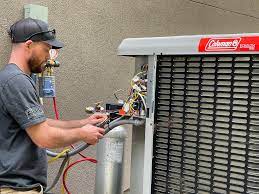
HVAC technicians are responsible for installing, repairing, and maintaining various HVAC systems. They must be skilled in troubleshooting issues, diagnosing malfunctions, and performing repairs. HVAC technicians must have a strong knowledge of electrical and mechanical systems, as well as refrigeration.
To enter this field, individuals must have completed a certification or associate’s degree program in HVAC from an accredited technical school or college. Once employed, HVAC technicians must acquire on-the-job training and certifications to improve their skill sets and earning potential.
HVAC Installers
HVAC installers are responsible for the installation and retrofitting of HVAC systems in residential, commercial, and industrial buildings. They must be familiar with the latest equipment and technologies, as well as the building codes and safety regulations that govern their work.
To become an HVAC installer, individuals must possess a high school diploma and have completed a training program in HVAC installation. Most employers prefer applicants who have also earned certifications in the field.
HVAC Designers
HVAC designers use computer-aided design (CAD) software to design HVAC systems for new and existing buildings. They must be knowledgeable in building codes and sustainability practices, as well as mechanical systems, thermal load calculations, and energy efficiency.
To enter this field, individuals must possess a bachelor’s or master’s degree in mechanical engineering or architectural engineering. HVAC designers must also have strong technical skills and interpersonal communication skills to collaborate with other team members.
HVAC Engineers
HVAC engineers design and oversee the installation of HVAC systems in buildings. They are responsible for drafting specifications, performing cost analysis, and coordinating with other construction professionals to ensure the HVAC systems function properly.
To enter this field, individuals must possess a bachelor’s degree in mechanical engineering, and some employers prefer candidates with a Master of Science in mechanical engineering. HVAC engineers must also have strong analytical and problem-solving skills, as well as proficiency in CAD software and HVAC system design tools.
HVAC Project Managers
HVAC project managers oversee the installation and retrofitting of HVAC systems in new and existing buildings. They are responsible for managing budgets, supervising workers, and ensuring that the project meets the timeline and quality standards set by the client.
To enter this field, individuals must possess a bachelor’s degree in engineering, construction management, or related fields. HVAC project managers must also have a strong background in HVAC systems and project management techniques, as well as excellent communication and interpersonal skills.
HVAC Sales Representatives
HVAC sales representatives are responsible for selling HVAC systems and providing technical support to clients. They must have a strong knowledge of HVAC systems and technologies, as well as excellent communication and salesmanship skills.
To enter this field, individuals must have a high school diploma and several years of experience in sales or technical support. Some employers may require a bachelor’s degree in business administration, marketing, or a related field.
The future of the HVAC industry
The demand for HVAC jobs is expected to continue growing as the population increases and climate change drives a need for more energy-efficient buildings. The Bureau of Labor Statistics predicts that employment in the HVAC industry will grow by 14% from 2018 to 2028, which is much faster than the average for all occupations.
The growing demand for energy-efficient buildings and updated HVAC systems to comply with government regulations will drive the need for skilled HVAC professionals. HVAC jobs offer an excellent opportunity for individuals looking for a stable and rewarding career path with room for advancement.
Conclusion
The HVAC industry is a booming job market with multiple opportunities for employment in various roles, including technicians, installers, designers, engineers, project managers, and sales representatives. HVAC jobs require specific skill sets and certifications, making them a lucrative and stable career choice. The growing demand for energy-efficient buildings and updated HVAC systems will drive the need for skilled professionals in this industry. Therefore, reaching out to an HVAC recruitment organization can provide a clear understanding of the job requirements and how to develop a career path in this field.